
WildStorm Goes Digital
During the 1990s, personal computers and the internet were changing how people experienced entertainment. Comic book publishers were beginning to explore new ways of reaching their audiences, and WildStorm Productions was no exception. While the studio continued expanding its comic book line, trading cards, and licensed merchandise, its characters were also making their way into the growing world of home computing.
From collectible screensaver software and advertisements for internet access to an official website where fans could interact online, WildStorm’s digital presence reflected a period when the internet was still unfamiliar territory for much of the comic book audience. These early experiments offer a glimpse into how the studio approached a new medium that would eventually transform the entire industry.
WildStorm Screensavers
During the 1990s, screensavers became a popular way for computer owners to personalize their desktops. Originally designed to prevent images from becoming permanently burned into computer monitors, screensavers had evolved into a form of entertainment, often featuring animation, artwork, and licensed characters from movies, television, and comic books.
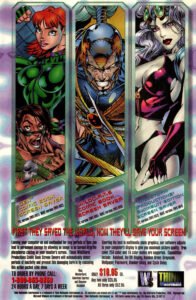
In 1995, Think Multimedia Entertainment advertised three officially licensed WildStorm screensaver collections: Gen 13, WildC.A.T.s, and WildStorm Productions Swimsuit Special. Marketed under the slogan “First they saved the world, now they’ll save your screen!”, the software brought WildStorm’s colorful comic book artwork to personal computers through automated slideshows.
Each collection was distributed on three floppy disks, with separate versions available for Windows-based PCs and Macintosh computers. The software included customizable display options, random image sequencing, wallpaper functionality, and support for both 16-color and 256-color displays.
Originally advertised at $19.95 each, the screensavers were also offered at discounted prices when purchasing two or all three collections. These releases represented another extension of WildStorm’s growing merchandise line, combining the studio’s distinctive artwork with the increasingly popular world of home computing.
Today, the original software packages are unusual collectibles from an era when floppy disks were still a common means of distributing computer software.
WildStorm And NETCOM
As personal computers became more common, the internet was beginning to attract a much wider audience. During the mid-1990s, connecting to the World Wide Web typically required a dial-up modem, specialized software, and an account with an internet service provider.
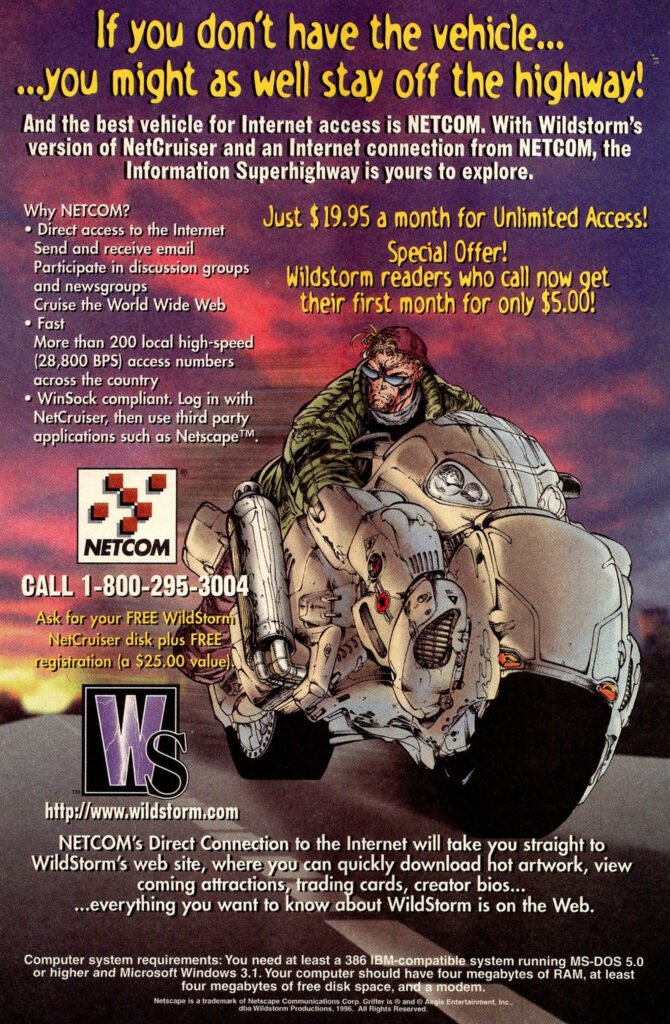
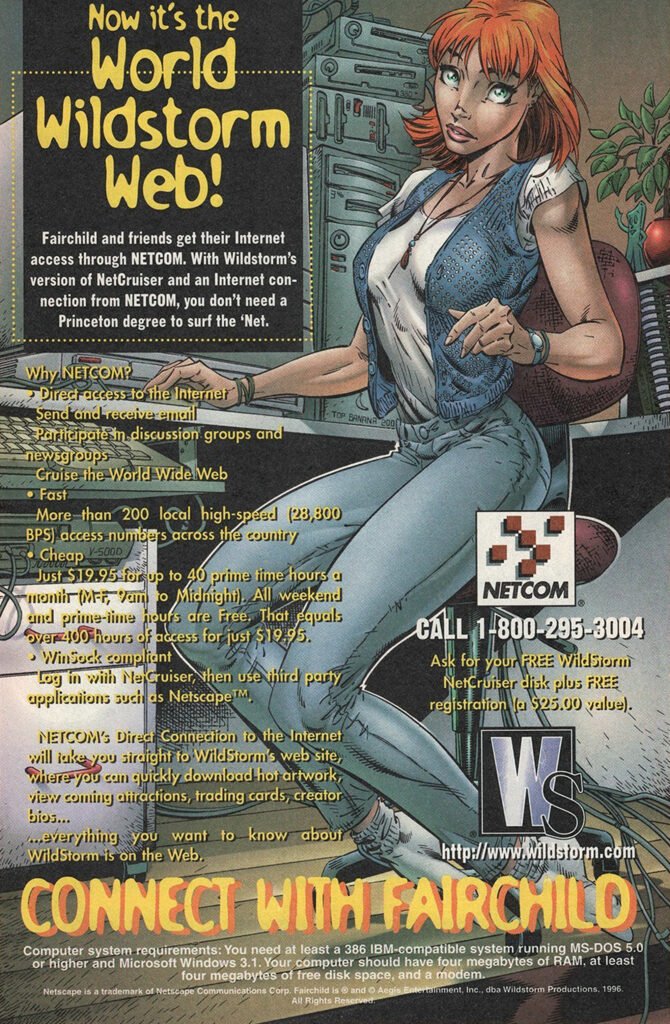
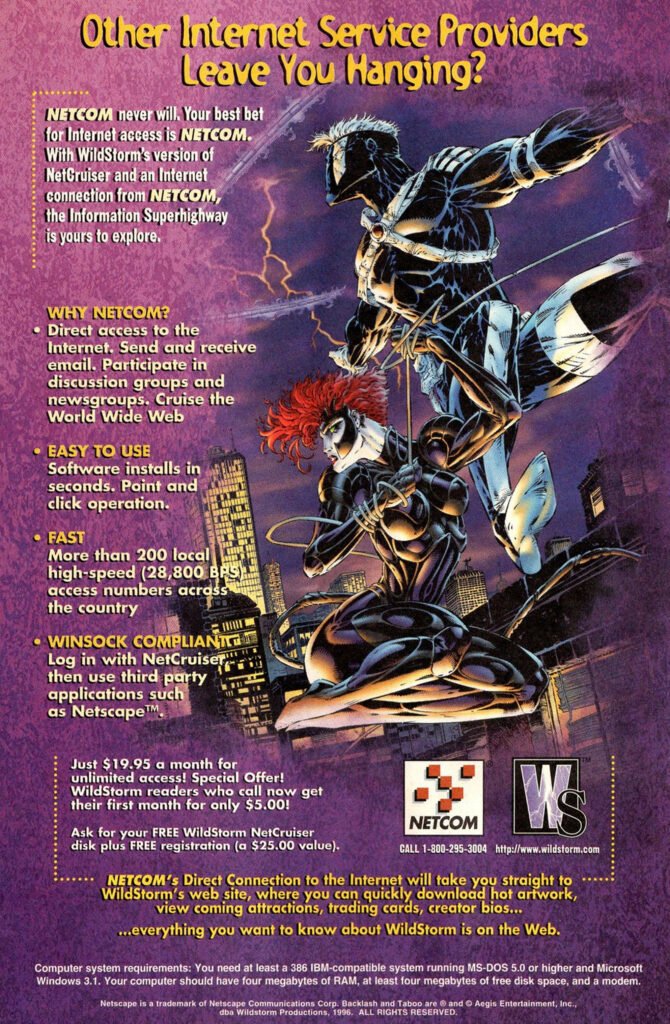
One of those providers was NETCOM, which offered internet access through its NetCruiser software. Designed to simplify the process of getting online, NetCruiser provided users with tools for browsing the web and accessing other internet services.
WildStorm participated in a NETCOM promotion that appeared across its line of comic books, introducing readers to the possibilities of internet access at a time when the technology was still relatively new to many households. The advertisements reflected the excitement surrounding the emerging online world, presenting the internet as a new destination for entertainment, information, and communication.
The promotion also serves as a reminder of how different the early internet experience was. Before broadband connections and wireless networks became commonplace, getting online often began with installing software from a floppy disk and connecting through a telephone line.
WildStorm On The World Wide Web
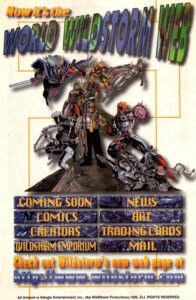
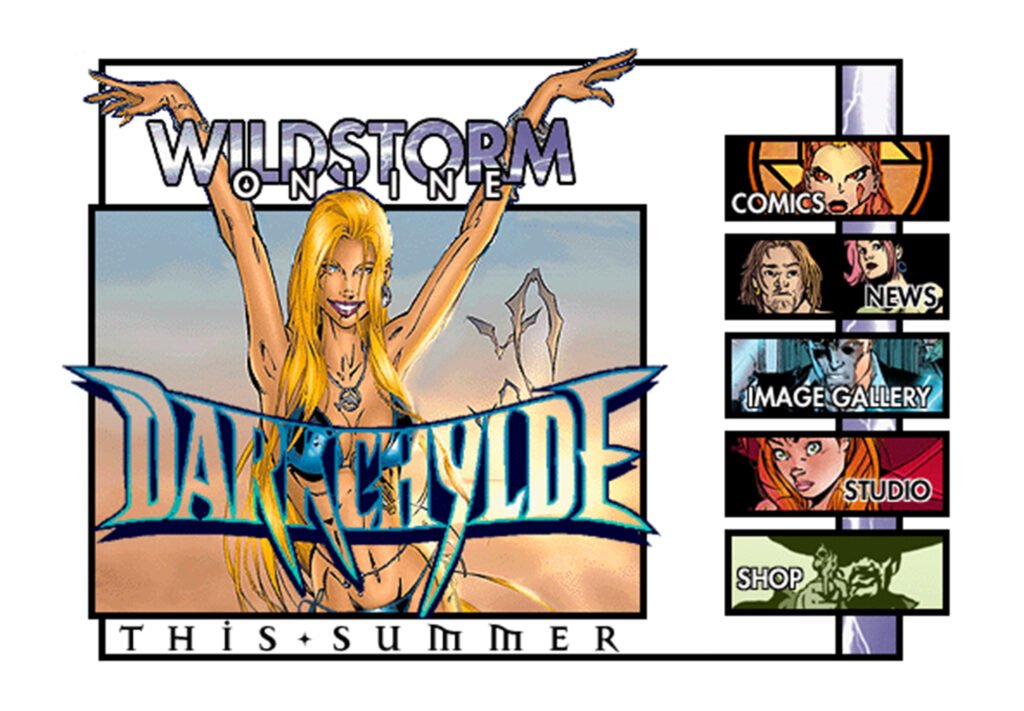
As the internet continued to grow, WildStorm established its own presence on the World Wide Web, giving fans another way to follow the studio and its comic book properties.
The official WildStorm website extended the company’s reach beyond comic shops, conventions, and printed publications. Fans could explore the studio’s online presence and connect with a community of readers who shared their enthusiasm for WildStorm’s characters and creators.
WildStorm also hosted live chats through America Online (AOL), providing opportunities for fans to interact online. Alongside the discussion forums associated with WildStorm’s early internet presence, these features reflected the changing relationship between comic publishers and their audiences as digital communication became increasingly accessible.
Although the original website and its interactive features belong to an earlier generation of internet technology, they remain an important part of WildStorm’s history. Together with the screensaver collections and NETCOM promotion, they illustrate the studio’s involvement in the rapidly developing digital landscape of the 1990s.
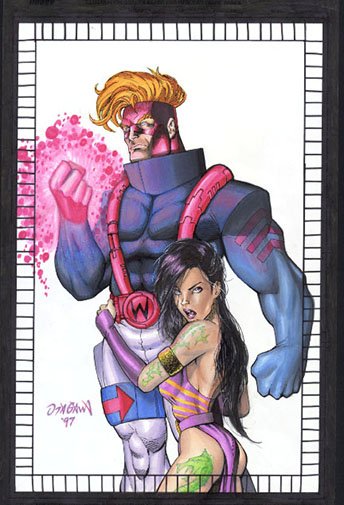
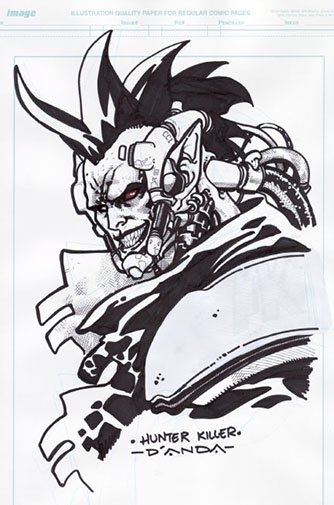
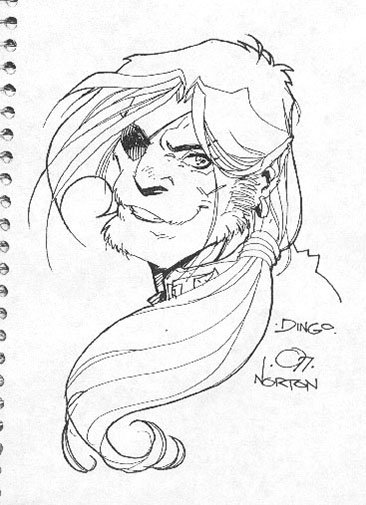
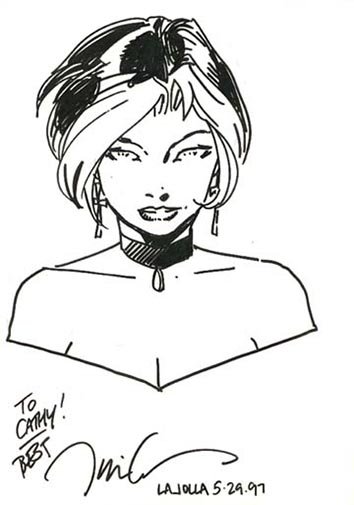
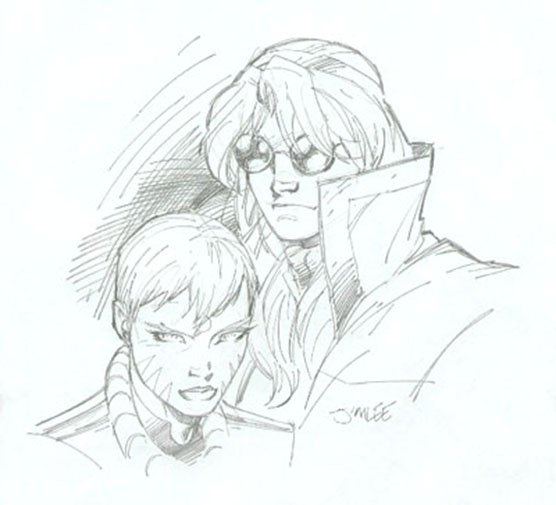
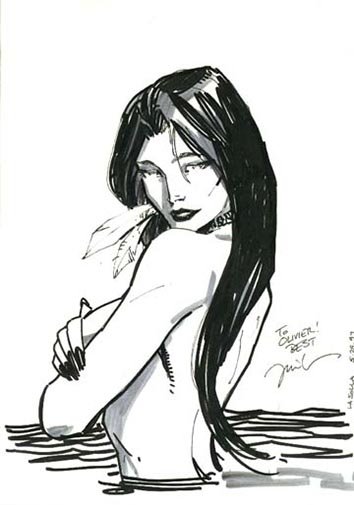
Below are a few selections from WildStorm’s Sketchbook Page from 1998.